

This page is about helping you lose fat and keep it off. Not just "lose weight" for a few weeks, but get leaner while keeping your muscle, your strength and your sanity, whether you're dieting the classic way or using a GLP-1 medication. Everything here comes from RP's own articles, podcasts and videos, so you can go as deep as you like on any step.
The Basics of Fat Loss
How fat loss actually works
To lose fat, you have to burn more energy than you take in, every single week, for a good while. That's it. That's the deal. Every diet that works, from keto to intermittent fasting to "I just stopped eating after 8pm," works because it gets you into a calorie deficit. When calories are matched, diet styles produce similar results, so pick the one you can actually stick to.
Where your calories go
That's why the diet does most of the work: a few smart food swaps can make a difference of 1,000 calories a day or more, while even a hard lifting session burns less than most people think. And if you keep piling on activity, your body starts compensating, so total burn levels off instead of climbing forever.
What matters most
Food composition and supplements make up the last 5% each. And all of it sits on top of adherence:
A plan that's 75% optimal but followed 100% of the time beats a perfect plan you quit in week three.
Where GLP-1 Medications Fit In
GLP-1 medications like semaglutide (Ozempic, Wegovy) and tirzepatide (Mounjaro, Zepbound) turn down appetite and the constant "food noise" that makes dieting so hard for a lot of people. That's a big deal, and there's no shame in using a tool that works.
But they don't replace the basics, they make them easier to follow. The weight still comes off through a calorie deficit, so everything on this page still applies. Two things matter most:
These are prescription medications with real side effects, so make the decision with your doctor.
Want the full rundown? Our free guide covers the benefits, the risks, realistic expectations and the questions to ask your doctor. Get the free GLP-1 guide.
Learn much more with these, including why crunches can't spot-reduce belly fat and what research shows about tirzepatide and visceral (belly) fat:

Setting Up Your Fat Loss Diet, Step by Step
Before you dive into the details below, know that most of the knowledge is covered in one short video series: Fat Loss Dieting Made Simple. Each step below starts with its episode.
Step 1Standardize your intake
You can't cut from a number you don't know. Start by tracking what you normally eat, so you know roughly where your maintenance calories sit. Be honest here: tracking errors are by far the most common reason diets "stop working." People under-report what they eat by hundreds of calories a day on average, and even dietitians do it. Tracking doesn't have to be forever, but it's the best learning tool there is.

Step 2Choose high quality foods
Food quality is a small slice of your results, but it makes the big slices easier. A controlled feeding study we covered found three things push people to overeat:
So build most meals from lean protein, vegetables, fruit and whole grains, and keep the hyper-palatable stuff for occasional treats. And keep it simple: picking a few go-to foods each week and repeating meals beats reinventing dinner every night.

Step 3Hit the right macros
If a low-carb diet "works" super fast in week one, that's mostly water: every gram of stored carbohydrate holds about 3 grams of water.

Step 4Choose meal size and timing
Timing is a nice-to-have, not a must. A good default is 4 to 5 meals a day, roughly every 3 to 5 hours, with protein split fairly evenly (say, 160 grams across 4 meals is about 40 grams each). If evening hunger is what keeps wrecking your diet, you can shift more of your food to later in the day while keeping daily calories the same.

Step 5Supplements and hydration
This is the last 5%, so don't let anyone sell it to you as the first 50.

Step 6Create the deficit
Ok, we know your maintenance, your foods and your macros. Now take some calories away. How many?
For a 200-pound person, that rate is 1 to 2 pounds a week. Go much faster and you start putting muscle at risk. How big should the deficit be? Here, our experts don't all agree, and that's useful to know:
- A common starting point
- Bigger deficits make it harder to hold on to muscle
- For regular lifters who aren't very lean
- Gets the job done faster; strength held up fine in the research they cite
Go slower if you're already lean (roughly under 12% body fat for men or 20% for women) or prepping for a show.
And put an end date on it. Plan to lose around 5 to 10% of your body weight over 8 to 12 weeks, then take a maintenance break, with 6 to 9 weeks being a sweet spot. Starting early beats crash dieting the month before summer.

Training and Cardio While You Diet
Keep lifting like you mean it
Your diet is what drives fat loss. Your training is what tells your body which tissue to keep.
So keep training hard, with challenging sets taken close to failure, and use your performance as feedback: if your lifts are holding up, you're very likely keeping your muscle. Don't turn your lifting into a sweaty circuit to "burn more fat." Leave that job to your diet and cardio. A cut is also a good time to train your whole body evenly and save specialization programs for when you're gaining.
Muscle grows from anywhere between about 5 and 30 reps per set when you push close to failure, and high reps don't magically "tone" or burn more fat. That said, leaning toward moderate-to-higher reps (10 to 20) on a cut can be easier on your joints when you're tired and under-fed. Heavier work is fine too if your technique stays tight.

Cardio and steps
Cardio is a helper, not the engine. The bigger job for movement on a diet is stopping your everyday activity from quietly dropping as you get hungrier and more tired.
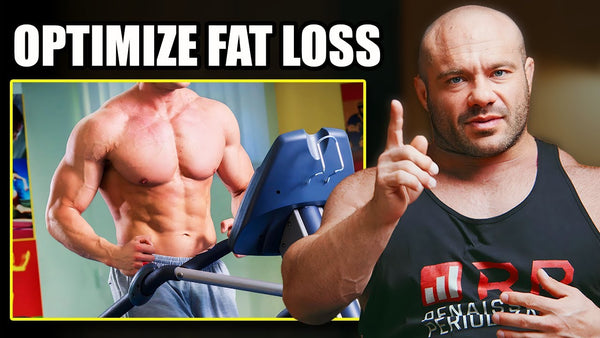
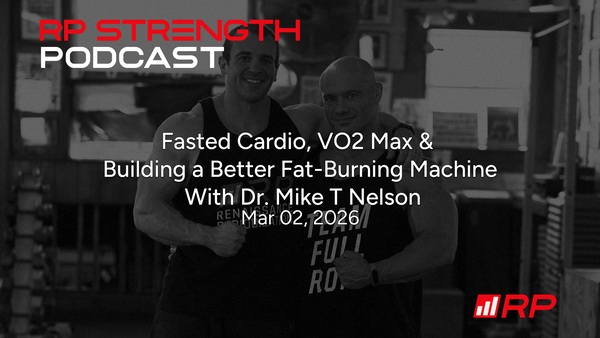
Fasted or fed? It's a preference, not a strategy. Total intake is what counts, though you'll hear a different take on the podcast below.
Getting Through the Hard Parts
Every diet gets hard at some point, and the first few weeks are usually the roughest. Oh yeah, we've got you covered:

Hunger and cravings
You can't diet without some hunger, but you can turn the volume way down. Eat slower, build meals around protein and high-volume foods (think a couple of cups of veggies per meal), and keep the hyper-palatable snacks out of easy reach. In winter, warm, filling meals like soups, stews and chili help a lot. If your hunger hits hardest at night, eat enough earlier in the day and save a bigger meal for the evening.
Staying consistent
You don't need to be perfect. Sticking to the plan 80 to 90% of the time beats being flawless for two months and then burning out. Think in weeks, not days: one big BBQ won't ruin anything, but an "eff it" spiral afterward will. Plan for the tough moments with a couple of emergency meals you can always fall back on.
Don't panic: most of it is water and food volume, and a couple of weeks at maintenance before you start cutting often works better than jumping straight into a diet.
Tracking Your Progress
Reading the scale
Your scale weight bounces around day to day from water, food and stress, so single weigh-ins don't mean much.
How to tell if you've really stalled
If your weekly average hasn't moved for 2 weeks or more, check your tracking and consistency first (those are the most common culprits by a mile). If both really are on point, make a small change: trim around 100 to 150 calories a day or add 1,000 to 2,000 steps, then give it a couple of weeks.
Beyond the scale
Pair the scale with progress photos (same lighting, same poses) and tape measurements once or twice a month. Smart scales and body fat scans are useful for trends over weeks, not single readings. Even DEXA scans can disagree with each other by a surprising amount, so if your strength is up and your waist is down, trust that over the printout.

Fat Loss Myths That Waste Your Time
Once you know which promises are empty, you can stop paying for them.
Finishing Your Diet and Keeping the Fat Off
The maintenance phase
Here's the part almost nobody plans for: most diets work in the short term, and the weight comes back afterward.
The last few weeks are spent bringing your food back up, and the first 3 to 4 weeks after a diet are the hardest, because hunger often spikes just as you start eating more. Add calories, hold for a week or a few, and keep adding while your weight stays steady. Your true maintenance is often higher than you'd think once your energy and everyday movement recover. Expect the scale to creep up a couple of pounds, which is mostly water and food in your system, not fat. After a 12-week diet, that means 8 to 12 weeks at maintenance.

Long-term fat loss
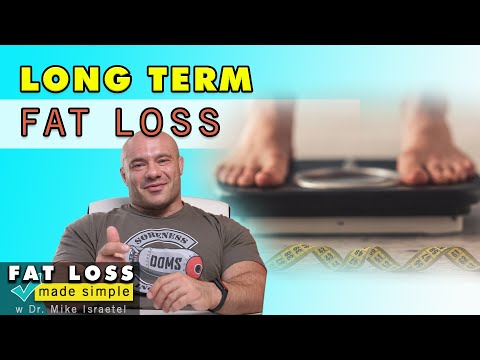
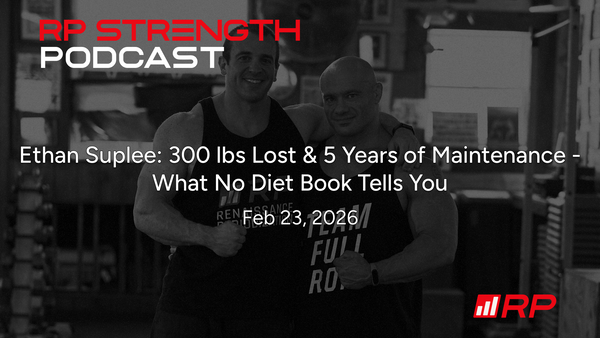
Got more to lose? Don't diet forever, because dieting non-stop makes you less likely to succeed. Run it in cycles: diet for up to about 12 weeks, maintain, then diet again. Big long-term transformations are built this way, one manageable stretch at a time, and keeping the weight off is a skill you practice every day.
Getting very lean
Want to get really shredded? The leaner you get, the more muscle you tend to lose along with the fat, so slow your rate of loss down, keep protein high, and get stricter with tracking (yes, even the veggies). For men, the 10 to 12% body fat range already looks incredible, and below 10% is where the muscle-loss risk really climbs. Going that lean is a different game.
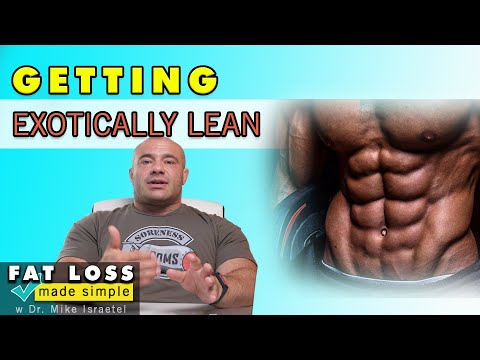
These are his own numbers as an enhanced bodybuilder, so treat them as a look behind the curtain, not a template: his own cutting diet (macros, cardio and how he ends a diet) · his full day of eating at 6% body fat.
Helpful Resources
The benefits, the risks, realistic expectations and the questions to ask your doctor, all in one place.
Our free, no-BS guide to fat loss dieting, with everything you need to get started on your own fat loss diet.
A results-based diet coach in your pocket. Tell it how much weight you'd like to lose, how long you'd like to take and how many meals you'd like a day, then choose your favorite foods. It tells you exactly what to eat and when, and adjusts your plan every week. See how different people set it up.
